Why Gen Z app acquisition needs more than paid media
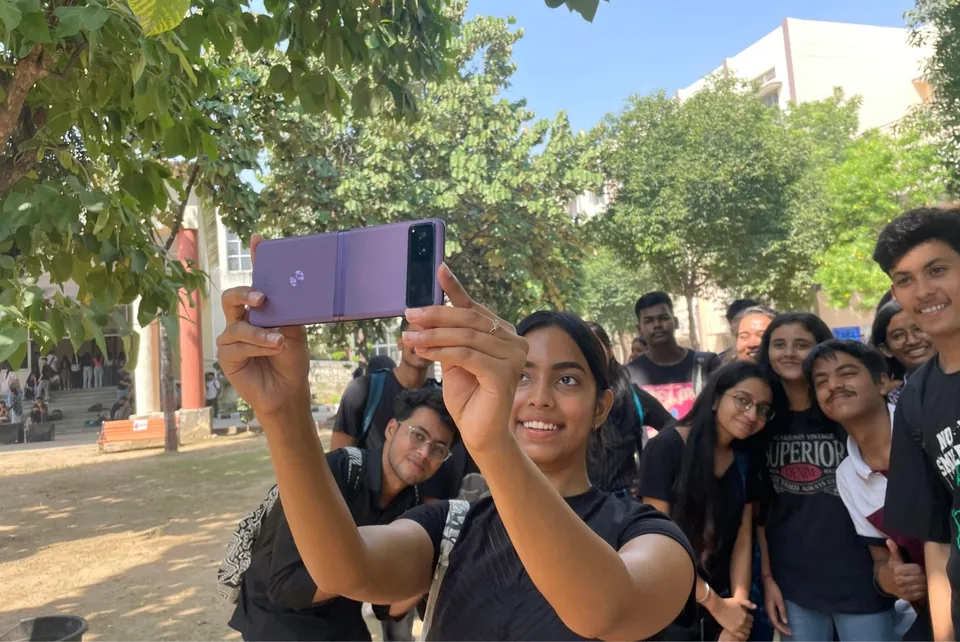
India’s 18 to 26 year olds install more apps than any other age group and delete them faster. A paid-only funnel optimised for installs finds the cheapest users, and the cheapest users churn. The apps that win this audience combine paid media with the channels Gen Z actually trusts: a stall in their college, a creator they follow, a friend in their group chat.
That is what we build. Campus drives, creator content, community referrals and paid media run as one acquisition programme, measured on activation and retention rather than install count alone. It is the performance end of Gen Z marketing, and it is where the on-ground network pays off most visibly.
What Gen Z app user acquisition includes
Every programme starts with a channel mix and a cost ceiling per retained user. From there, we run the channels that the target audience responds to, and move budget weekly toward what is working.
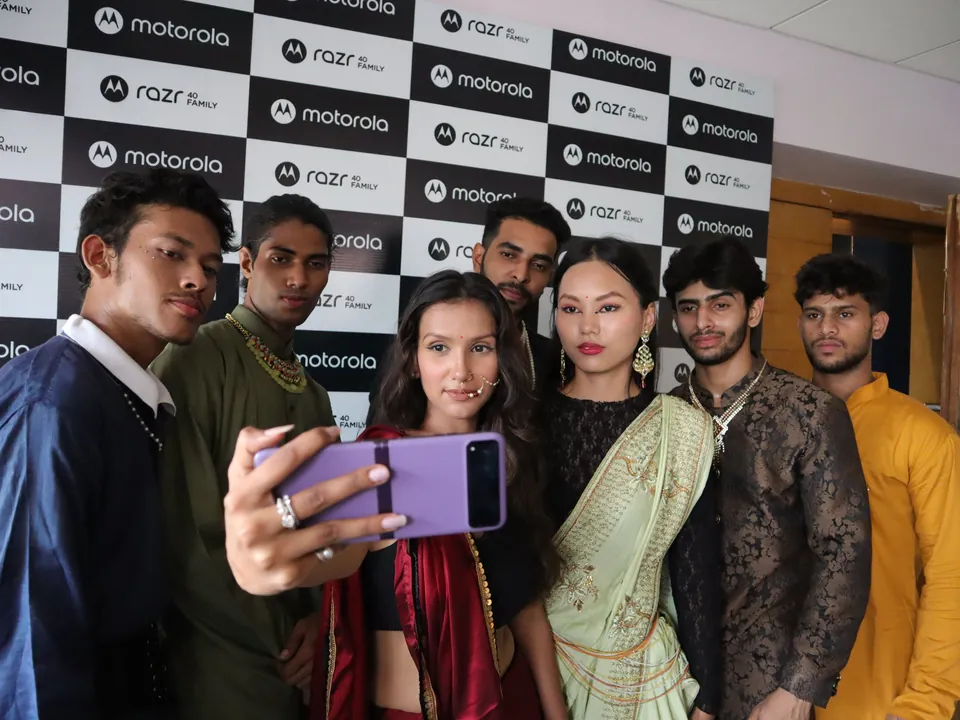
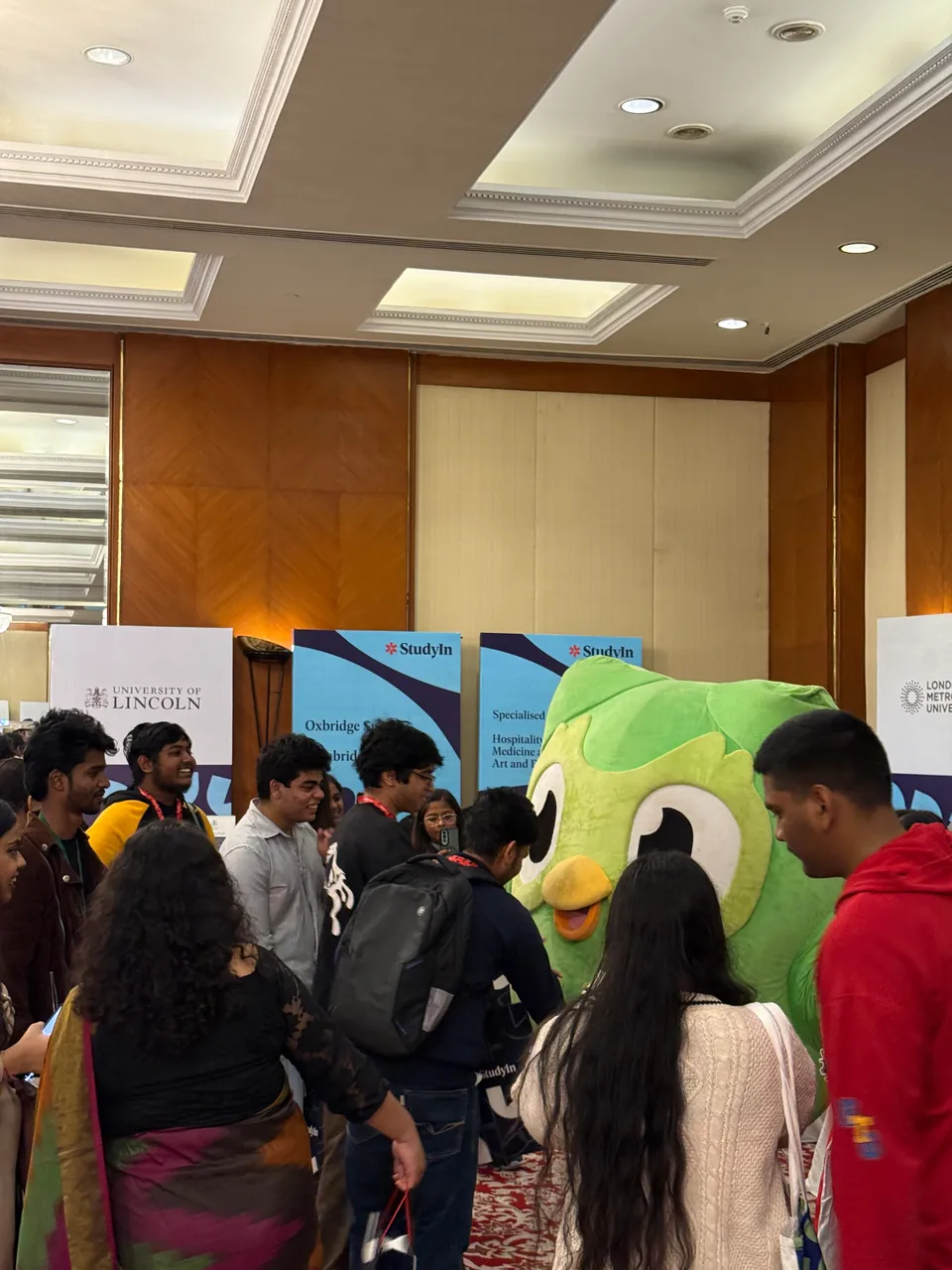
- Campus install drives: counters, demo zones and ambassador referral pushes inside colleges, which produce installs that come with a face-to-face explanation. See campus marketing for the formats.
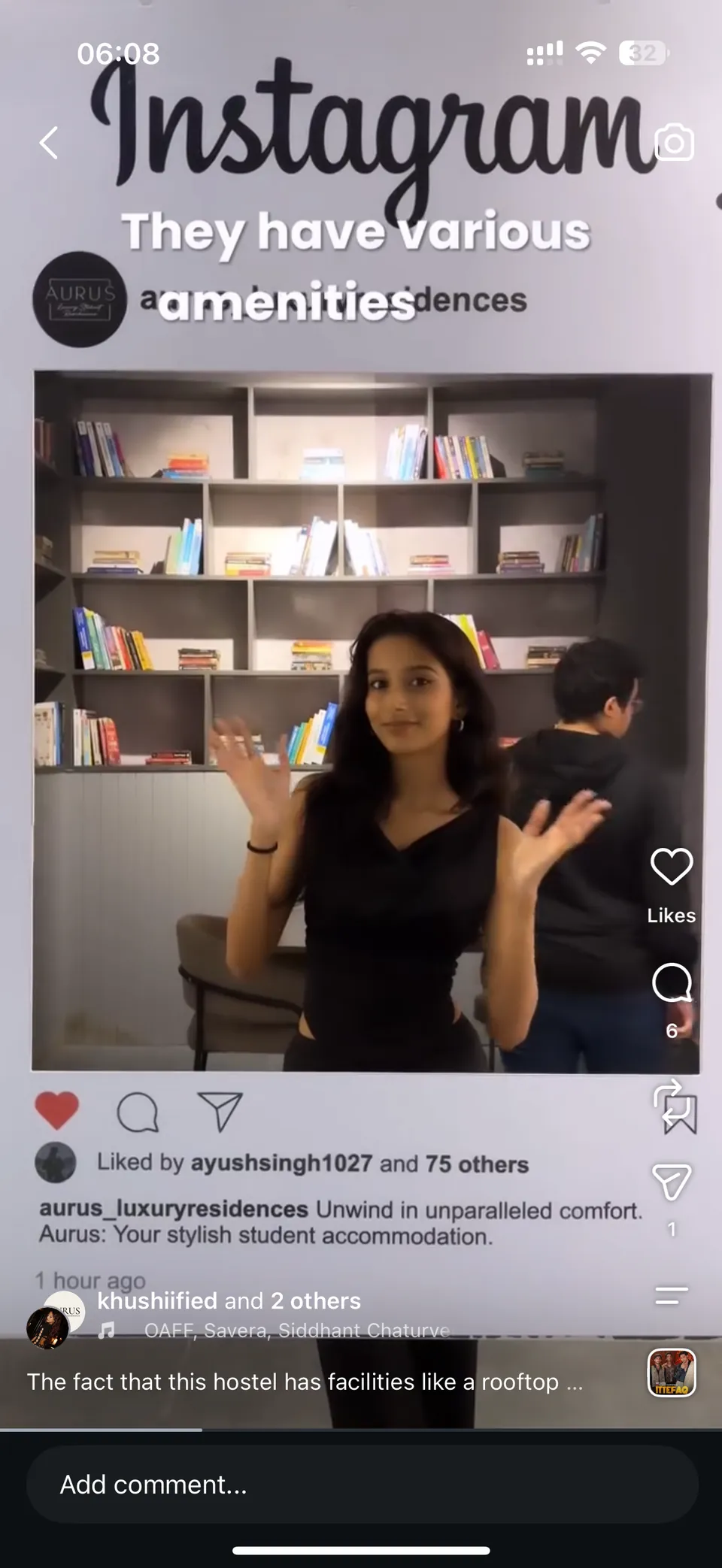
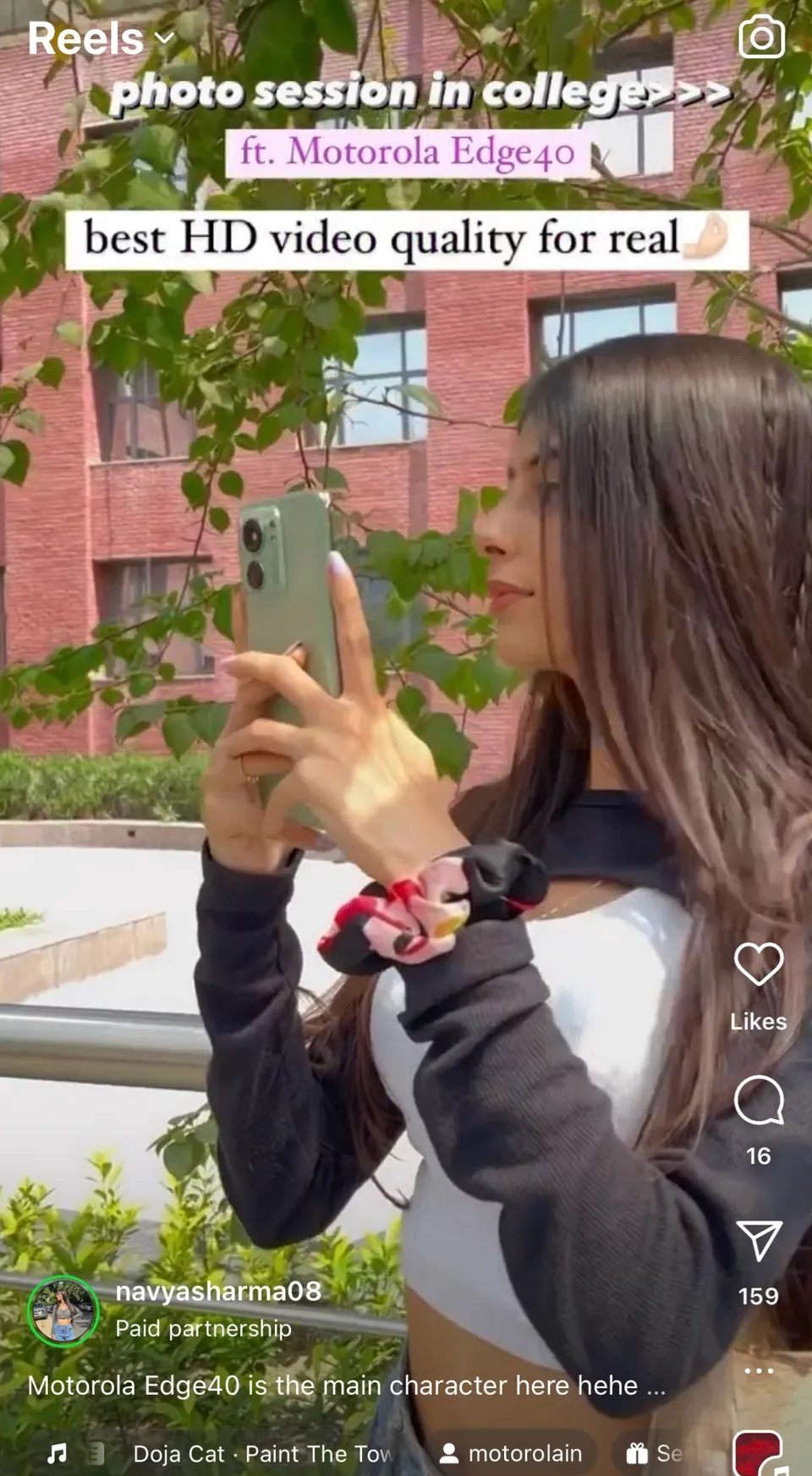
- Creator acquisition: tracked links, promo codes and app-store deep links on nano and micro creator posts, with hybrid fixed-plus-performance deals where the creator has earned it.
- Community loops: beta-tester, early-access and referral communities on WhatsApp and campus, built by our community marketing team.
- Paid media: Meta, YouTube, Google UAC, Snapchat and Sharechat campaigns running creator and UGC content as the creative, which is usually what makes the numbers work.
- Attribution: support with your MMP, deep-link and event setup so every channel is read on the same terms.
Installs are the wrong target. Retained users are the target.
We report what you can take to a board: signups, activations, KYC completions, first transactions, D7 and D30 retention and cost per retained user, by channel and by cohort. A campus cohort and a paid cohort behave differently, and knowing how is what lets you allocate next month’s budget properly.
The team has run acquisition programmes for Flipkart, Unacademy, TradingLeagues, EatSure, Unstop and StudyIn, across consumer apps, fintech and edtech. The lesson repeats: users acquired with a human touchpoint retain better, and a blended programme beats a paid-only one on cost per retained user even when it loses on cost per install.
Where Gen Z users come from in India
The next wave of app users is in tier-two cities and in the colleges of tier-one cities. Engineering and commerce campuses in Pune, Hyderabad and Bangalore supply fintech and productivity apps. Arts and science colleges across Lucknow, Jaipur and Kolkata supply social, entertainment and shopping apps. We map the audience to colleges and creator communities before spending a rupee.
How we run a Gen Z acquisition programme
- Brief: the app, the activation event that matters, current CPI and retention, target cities, budget and timeline.
- Plan in 48 hours: channel mix, targets per channel, cost ceilings, creative plan and attribution requirements.
- Setup: tracked links, codes, deep links, MMP events, creator contracts and college permissions.
- Launch: campus drives, creator posts, community loops and paid campaigns live in a staggered first two weeks.
- Optimise and report: weekly budget moves toward the channels with the best cost per retained user, monthly cohort report.
What Gen Z app user acquisition costs
A single-city pilot combining campus drives, 30 to 50 creators and a small paid budget typically sits in the ₹5 to 10 lakh range. A multi-city programme with 100+ colleges, creator waves and managed paid media runs ₹20 to 40 lakh a quarter. Always-on acquisition retainers, where we run channels and creative continuously, start around ₹8 lakh a month plus media.
Media spend, creator fees and ambassador stipends are itemised at cost. Our fee covers strategy, execution, creative and reporting, and we agree a target cost per retained user before launch.
Who Gen Z app user acquisition works for
Apps whose first user is under 26: fintech and investing, edtech and test prep, food and quick commerce, social and dating, gaming, OTT, productivity and campus-specific utilities. If your app’s core loop depends on friends being on it, add community marketing from day one. If you need to validate positioning before scaling spend, start with brand strategy and research.