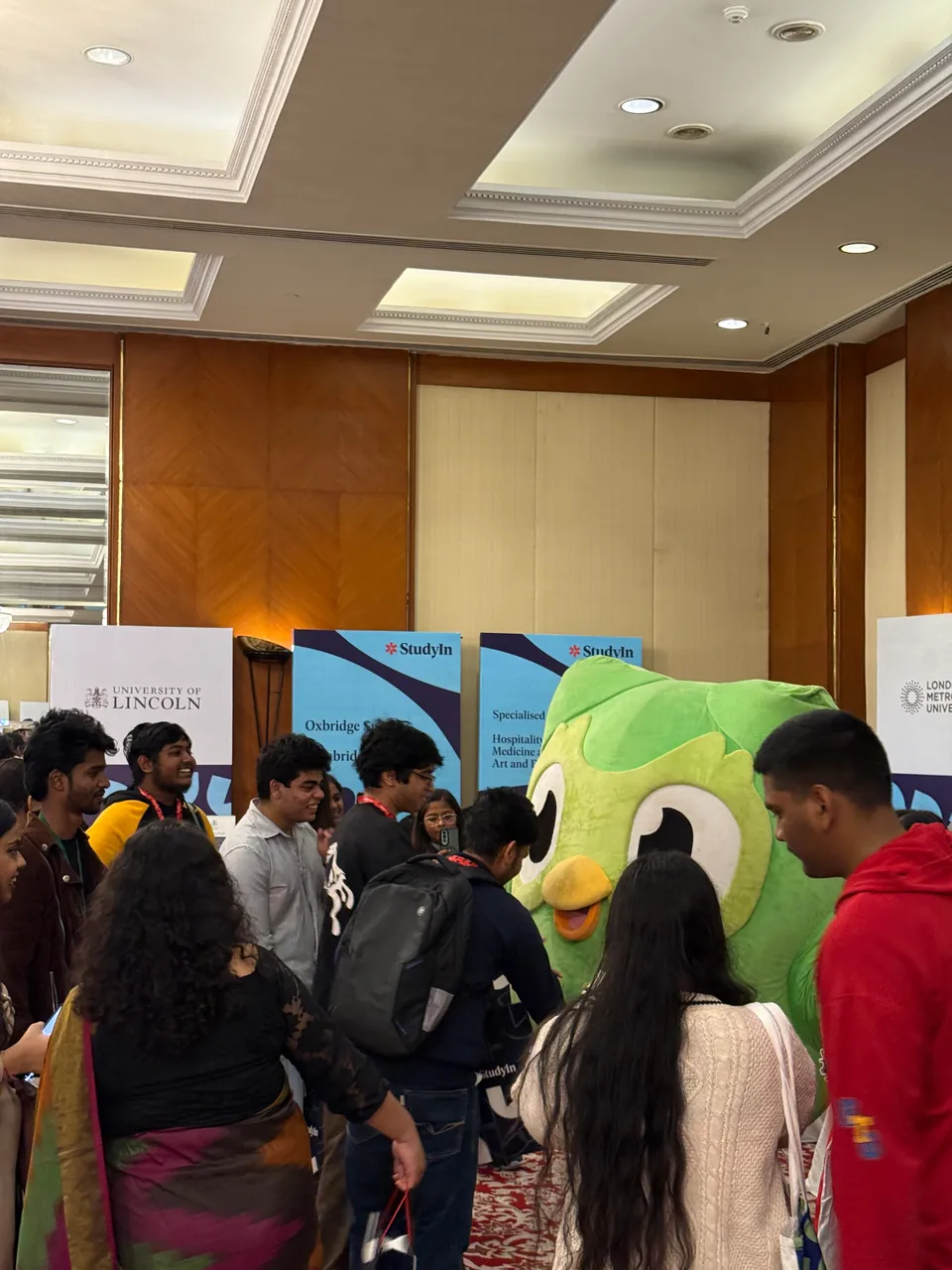
The reason most Gen Z campaigns get judged as “good for awareness” is that nobody set up the measurement to judge them as anything else. A campus activation gets reported as footfall and a reel count. A creator wave gets reported as views and engagement rate. A community push gets reported as a screenshot. Three reports, three agencies, no shared number, and a CMO who concludes that youth marketing is a brand expense.
It is not. The audience is 18 to 26, lives on a phone, pays by UPI and can be given a unique code at every touchpoint. Gen Z campaigns in India are among the most measurable in marketing, provided you build the measurement before the campaign and not after. This is the framework we use across 250+ campaigns and the one we wish every brief arrived with.
Why Gen Z campaigns get measured badly
- The channels are mixed (on-ground, creator, WhatsApp, app) and each one has a different native metric, so teams report whatever the platform gives them.
- The outcome is often two steps away: the campus activation produces the content that produces the install. Attribute the install to the paid ad and the activation looks like a cost.
- WhatsApp and campus have no impressions, so they get left off the dashboard entirely.
- Retention is measured by the product team on a different tool and never gets joined back to the acquisition source.
- Reach is the only number everyone agrees on, so reach becomes the KPI by default.
The framework: reach, participation, action, retention
Every Gen Z campaign, regardless of channel, should be reported on four layers, in this order, with the weight on the last three.
Reach is who saw it. Views, impressions, footfall, group forwards. Necessary, cheap, and the least informative number on the page.
Participation is who did something with it that was not a purchase. Commented, shared, filmed their own reel, scanned the QR, signed up as an ambassador, took a sample, joined the Discord, replied to the WhatsApp. This is the layer that separates a Gen Z campaign from a media buy. If participation is low, the content did not land, whatever the reach says.
Action is the commercial step: a code redemption, an install, a signup, a quick-commerce order, a lead. Measured by source, always.
Retention is whether the action stuck: day-7 and day-30 app retention by acquisition source, repeat purchase by code, ambassador renewals, creator rebookings, community members still active after 90 days. This is where campus and creator channels tend to win, because the people they bring in came through a friend, and it is the layer that turns “good for awareness” into “our best CAC”.
If you only measure reach, you will keep buying reach. Measure retention by source and the budget moves itself.
Metrics by channel
| Channel | Reach | Participation | Action | Retention |
|---|---|---|---|---|
| Campus (activations, ambassadors, fests) | Footfall, colleges covered, ambassador count, content views from the event | Samples taken, QR scans, ambassador signups, student-shot reels, society tie-ups | Code redemptions by ambassador ID, signups, installs, leads | Ambassador renewals next semester, repeat orders by code, day-30 retention of campus-sourced users |
| Creators (nano, micro, UGC) | Views, reach, unique creators posting | Saves, shares, comments with intent, duets and remixes, UGC produced by followers | Creator code and link conversions, installs via tracked links, quick-commerce lift in creator cities | Day-7 and day-30 retention of creator-sourced users, creator rebooking rate, UGC rights reused as paid creative |
| Community (WhatsApp, Discord, societies) | Ambassador-reported forwards, channel followers, server members | Replies, pooled orders initiated, tournament entries, questions answered | Group code redemptions, wa.me clicks, pooled orders over threshold | Members active at 90 days, repeat pooled orders, referral chains of two or more hops |
| App and performance (paid amplification) | Impressions, CPM | Click-through on UGC-based creative versus brand creative | Installs, cost per install, cost per signup by creative source | Day-30 retention and cost per retained user by creative source and by city |
| Sampling and quick commerce | Samples distributed, pin codes stocked | Feedback forms, unboxing reels, sample-to-app code scans | App orders by code and pin code, trial SKU sales in campus pin codes | Full-size repeat purchase by code, pin-code sales after the sampling week |
Attribution that works in India: UTM, promo codes, ambassador IDs
Platform attribution will not join these channels for you. The tools that will are old, boring and reliable.
UTM links on every creator bio, story swipe-up, WhatsApp forward and QR code, with a consistent naming convention: source (campus, creator, community, paid), medium (reel, story, group, event), campaign, and a content field that carries the creator handle or college name. Shorten them, because long links do not get forwarded.
Promo codes are the Indian attribution superpower, because UPI-first checkout makes code entry frictionless and Gen Z actively hunts for codes. Give every creator, every ambassador and every campus event its own code. Make the codes human (the creator’s handle, the college’s abbreviation), because memorable codes get typed from a screenshot and random ones do not.
Ambassador IDs close the campus loop. Each ambassador gets a unique ID that sits in their code, their referral link and the QR on their kit. Their dashboard shows their own numbers, which also makes the programme self-motivating and is the basis for the performance tier of their pay. We cover that structure in The Campus to Creator Pipeline.
Pin-code and city cuts for anything that goes through quick commerce or retail, where you will never get user-level data. If creator activity in Chennai went up in week 3 and Chennai campus pin-code sales went up in week 3, that is attribution enough to move budget.
The one question at checkout. “How did you hear about us?” with a short list that includes “a friend sent it” and “saw it on campus”. Imperfect, but it is the only way to see the WhatsApp layer.
Reporting cadence
- Daily, internal, automated. Code redemptions, installs and signups by source, pulled from the backend into one sheet or dashboard. No commentary. This is where you spot a creator or a campus that is working and double down within the week.
- Weekly, campaign team. Reach and participation by channel, action by source, top creators and top colleges, what was briefed versus what was posted, and the one decision for next week (shift budget, rebrief, re-stock a pin code).
- Fortnightly, with the client or CMO. The four-layer view for the campaign to date, cost per action by source, early retention signals, and a plain-language note on what is being changed and why.
- End of campaign, then at day 30 and day 90. The retention layer only exists after the campaign ends. The final report should be delivered twice: once at close with action numbers, and once at day 30 or 90 with retention by source and cost per retained user. This second report is the one that changes next year’s budget.
What a good dashboard looks like
One page. Four rows for the four layers, five columns for the five channels. Every cell has a number, a cost, and a source. Below it, a league table of creators and colleges by cost per retained user, not by views. Below that, this week’s decisions.
That dashboard is the product we actually sell. The campus activation, the creator wave, the community marketing and the app user acquisition are the inputs. The reason to run them through one Gen Z marketing agency rather than four vendors is that one team can be held to one cost per retained user across all of them.
Common mistakes, and the fix for each
- Setting up codes after launch. Fix: codes, UTMs and ambassador IDs are in the brief, not the wrap-up.
- Judging creators on views. Fix: rank them by code conversions and day-30 retention of the users they brought. The league table will surprise you.
- Reporting campus as footfall. Fix: footfall is reach; report samples taken, ambassador signups and code redemptions, and follow the cohort to day 30.
- Leaving WhatsApp off the dashboard because it has no impressions. Fix: group codes, wa.me clicks and the checkout question.
- Separate dashboards for brand and performance. Fix: one dashboard, four layers, every source. Consumer apps and edtech brands that did this are the ones whose campus budgets grew.
- Stopping measurement when the campaign ends. Fix: the day-30 and day-90 report is contractual.
Measurement is not the boring part of Gen Z marketing. It is the part that gets the next campaign approved. Build the framework first, run campus, creator and community work through it, and the question stops being “did it work” and becomes “which city, which creator, which week, and how much more”.
FAQ
What metrics should a Gen Z marketing campaign report?
Four layers: reach (views, footfall), participation (shares, UGC, samples taken, signups), action (code redemptions, installs, orders by source) and retention (day-30 retention and repeat purchase by source).
How do you attribute campus marketing results?
Give every ambassador a unique ID that sits in their promo code, referral link and QR, then track redemptions and day-30 retention of that cohort; our campus marketing programmes are built this way.
How often should Gen Z campaigns be reported?
Daily automated action counts by source, a weekly campaign review, a fortnightly four-layer report to the client, and a final retention report at day 30 or 90 after the campaign closes.