How Gen Z buys D2C in India
Roughly 375 million Indians were born between 1997 and 2012, and the 18 to 26 year olds among them are the most willing first-time buyers of unknown brands in the country. They do not need a brand to be famous. They need a creator they follow to have used it, a comment section that is not suspicious, a price that fits a monthly allowance or first salary, and a checkout that works in two taps.
Discovery happens on reels and Shorts. Validation happens in comments, DMs and the hostel group chat. The purchase happens on the phone, often within an hour. A D2C brand that shows up in all three places wins; one that only shows up in the ad slot pays a premium and still loses the trust step. That is why Gen Z marketing for D2C starts with creators and ends with community, with paid media in the middle.
The channels that work for D2C
- Creator and UGC content: the creative unit for this audience. Twenty to a hundred native videos a month give your paid team hooks to test and your organic channels something worth saving. See creator and UGC content.
- Influencer waves: nano and micro creators in your target cities and languages, posting around launches and drops, tracked by code. See influencer marketing.
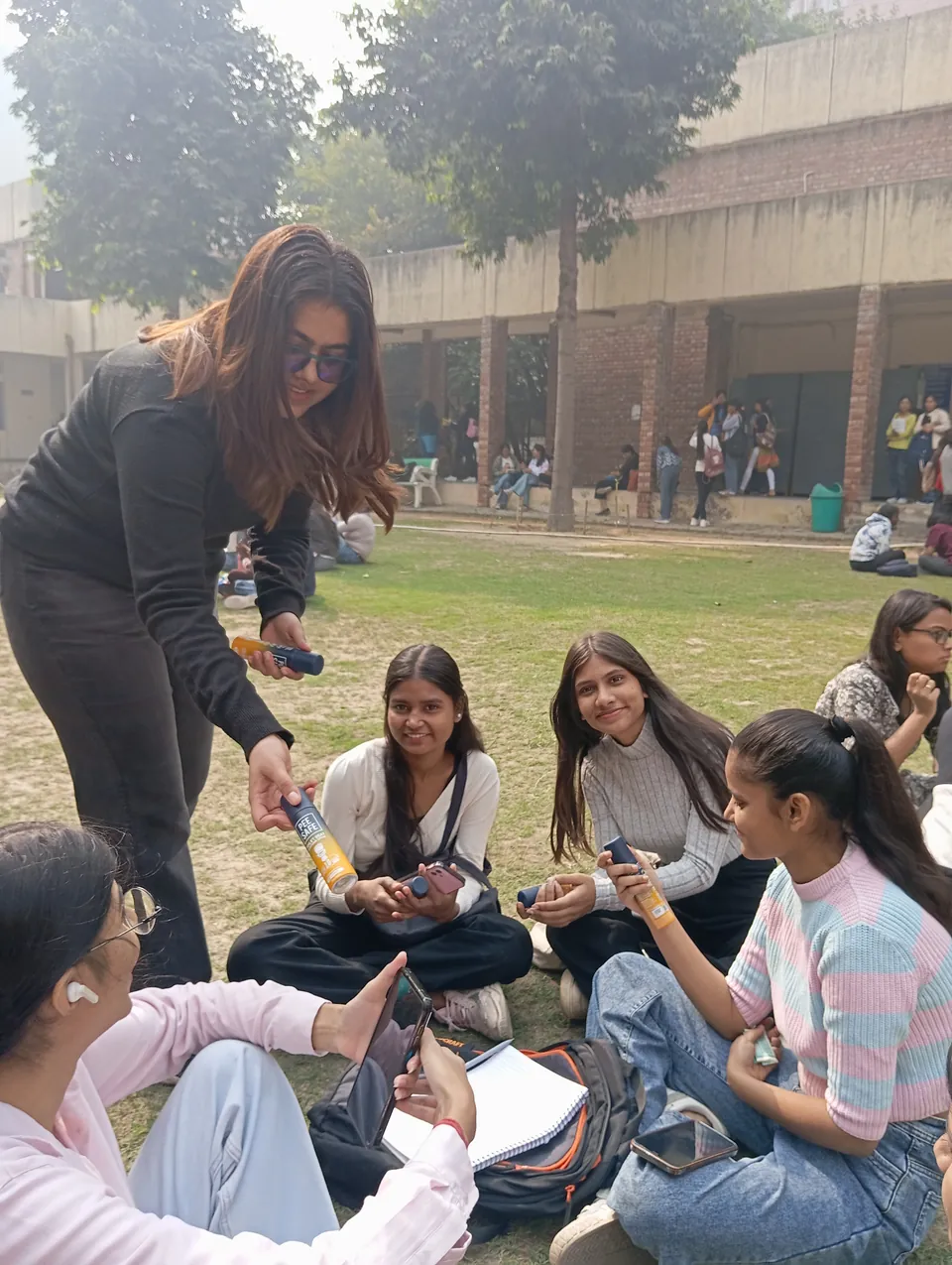
- Campus sampling: for personal care, grooming, snacks and beverages, trial at hostels and fests converts better than any ad, especially with a first-order coupon attached. See sampling and activations.
- Community: a WhatsApp group of early customers and campus ambassadors for drops, feedback and referrals. See community marketing.
- Social as storefront: an Instagram account run like a creator account, with the community desk answering the questions that decide purchases.
What to measure
First orders by channel and by city, cost per first order, coupon and code redemptions per creator, hook rate and CTR of UGC in paid, repeat rate from community members versus non-members, and content produced per rupee. Followers and views are inputs, not outcomes. We report the outcomes.
We set this up before launch: UTM and code structures per creator, a coupon per sampling venue and a tag for community members in your CRM. Within a month you know which city, which creator tier and which format produces first orders cheapest, and the second month’s plan is built from that rather than from instinct.
The kind of D2C work the team has done
The team behind this brand has worked with Pee Safe, Bombay Shaving Company, Lenskart and EatSure on creator content, campus sampling and launch activations, and with consumer electronics brands like Motorola and vivo on campus-led launches that fed social. The work typically starts with a single-city pilot in Mumbai or Delhi, then scales to the tier-two cities where the next customers are.
The pattern that repeats across D2C categories: creator content lowers paid costs, sampling creates the first order, and community lowers the cost of the second.