Ask ten marketers for Gen Z marketing examples from India and you will get ten campaign names and no idea what to copy. Campaigns do not transfer. A film with a cricketer, a one-week hashtag, a festival stunt: each worked once, for one brand, with one budget. What transfers is the format underneath. So this piece is organised by format, with widely known Indian brands as reference points, described in general terms because the public never sees the real numbers and we are not going to invent them.
These are the ten formats we see working for 18 to 26 year olds right now, across the 250+ campaigns we have run and the ones we watch from outside. If you are planning your first serious Gen Z marketing push, pick three from this list, not ten.
The Gen Z marketing examples that keep working: the list
- Campus ambassador programmes paid for outcomes.
- Fest activations with the product in hand.
- Hostel and canteen sampling tied to a reorder.
- Nano creator waves cast by city and language.
- Creator UGC run as paid ads.
- Founder and employee-as-creator content.
- Meme-native social and notifications.
- WhatsApp and Instagram community drops.
- Quick-commerce tie-ins at the end of every reel.
- Student pricing and referral loops.
Formats 1 to 3: campus, the densest reach in the country
Campus ambassador programmes are the oldest format on the list and still the most underrated. Google, Flipkart and Unacademy have all run versions of it: a student per college, paid for outcomes such as signups or referrals rather than for wearing a t-shirt, reporting into a city lead. Done properly across 10K+ colleges it is a sales force, a focus group and a content studio at the same time. The ambassador also becomes the brand’s ears: what sold out in the canteen, which fest is worth sponsoring, which society has the biggest group chat.
Fest activations are the second format, and the one most brands get wrong. Red Bull’s long-running presence at college sports and fests is the model: the product is in your hand, the brand is part of the event rather than a banner beside it, and the day produces content worth posting. A selfie booth with a logo is not an activation.
Hostel and canteen sampling is the third. Snack, beverage and personal-care brands have sampled in hostels for decades; the 2026 version pairs the sample with a code that unlocks a quick-commerce reorder. Sampling and activations only count if you can see the second purchase.
Formats 4 to 6: creators who look like the buyer
Nano creator waves are the fourth format and the biggest shift of the last three years. Instead of one macro face, a brand casts fifty to five hundred creators with small, engaged followings, by city and by language. boAt and Mamaearth built much of their early youth presence on exactly this long tail. We cover the mechanics in our Gen Z influencer marketing service, but the short version is that the comment section matters more than the follower count.
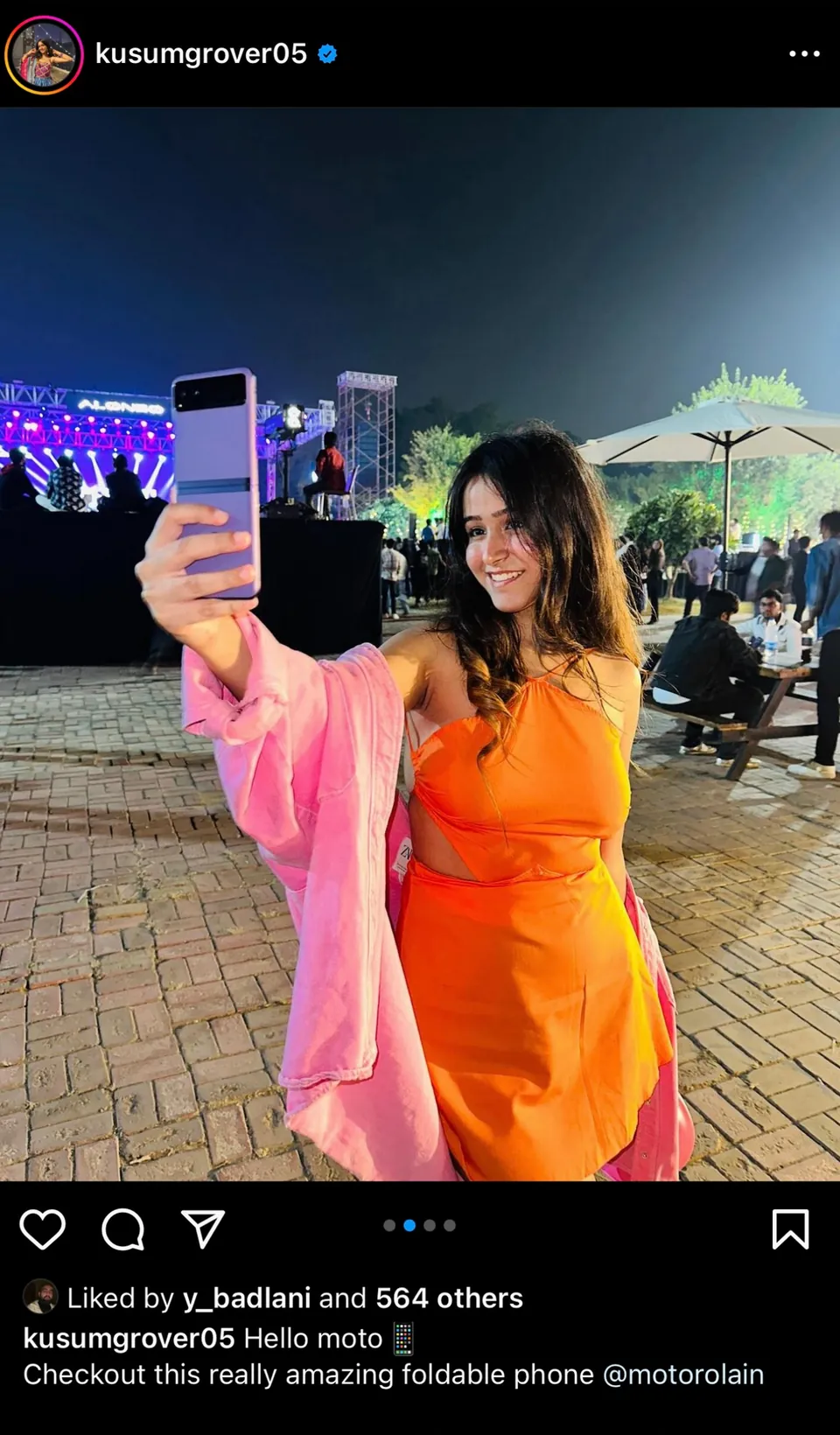
Creator UGC run as ads is the fifth. The best-performing paid creative for a Gen Z audience is rarely a studio shoot; it is a creator’s reel, bought with usage rights and put behind media spend. Lenskart and Nykaa have leaned on creator-style, phone-shot creative for years. The lesson: brief for the ad you want to run, not just the post.
Founder and employee content is the sixth. Zerodha’s founders, Zepto’s young leadership and dozens of D2C founders have become their own brand channel. Gen Z trusts a person on camera over a logo, and a founder answering questions in bad lighting beats a brand film.
Formats 7 and 8: social and community
Meme-native social is the seventh format, and India has world-class examples. Zomato and Swiggy turned push notifications and tweets into a tone of voice. Netflix India’s social team made the catalogue a meme supply. Amul has done topicals for longer than Gen Z has been alive. The common thread is not “be funny”; it is posting at the speed of the conversation. Gen Z social media marketing is an editorial operation, not a monthly content calendar, and speed is a staffing decision: someone has to be allowed to post without three rounds of approval.
Community drops are the eighth. Spotify Wrapped works because people forward it; Duolingo’s owl works because the joke travels in group chats. The Indian version is a code, a deal or a reel that a student wants to drop into the hostel WhatsApp group. The brand cannot post there. It can only earn the forward, and the brands that earn it are the ones that give the group something every fortnight, not once a year.
Formats 9 and 10: commerce built into the content
Quick-commerce tie-ins are the ninth. Blinkit, Zepto and Instamart turned every reel into a shelf, and FMCG brands with a 10-minute delivery listing now end creative with “order it now” instead of “available at stores near you”. The format is simple: creator reel, quick-commerce deep link, trackable code. Brands without a quick-commerce presence are running Gen Z creative with the last step missing.
Student pricing and referral loops are the tenth. Spotify, Apple and most edtech platforms run student plans; UPI and fintech apps grew on refer-a-friend. Gen Z shares a good deal faster than any ad can travel, and a referral code is the one brand message a student will voluntarily post in a group of 300.
Copy the format, not the campaign. The campaign was built for someone else’s budget.
How to choose three
Pick by where your segment already is and by what action you need. A consumer app in Delhi colleges needs ambassadors, a creator wave and a referral loop. A snack brand needs sampling, quick-commerce tie-ins and meme-native social. An edtech brand needs campus, founder content and student pricing. Three formats, one dashboard, one semester, and then add a fourth only if the first three are producing an action you can count.
If you want the colleges, creators and communities already in place, a Gen Z marketing agency will have run every format on this list more than once. Ask them which three they would refuse to run for you. The answer tells you whether they have a strategy or a rate card.
FAQ
What are the best Gen Z marketing examples in India?
The formats that keep working are campus ambassador programmes, nano creator waves, creator UGC run as ads, meme-native social, WhatsApp community drops and quick-commerce tie-ins; see our influencer marketing approach.
Should a brand copy a famous Gen Z campaign?
Copy the format, not the campaign, because the original was built for another brand’s budget, product and moment.
How many Gen Z marketing formats should a brand run at once?
Three, chosen by where the segment already is and the one action you need, measured on one dashboard; the campus-to-creator pipeline shows how they feed each other.